House Build Disruption

House Build Disruption

In this article we take a quick look at the shortage of New Homes coming to market

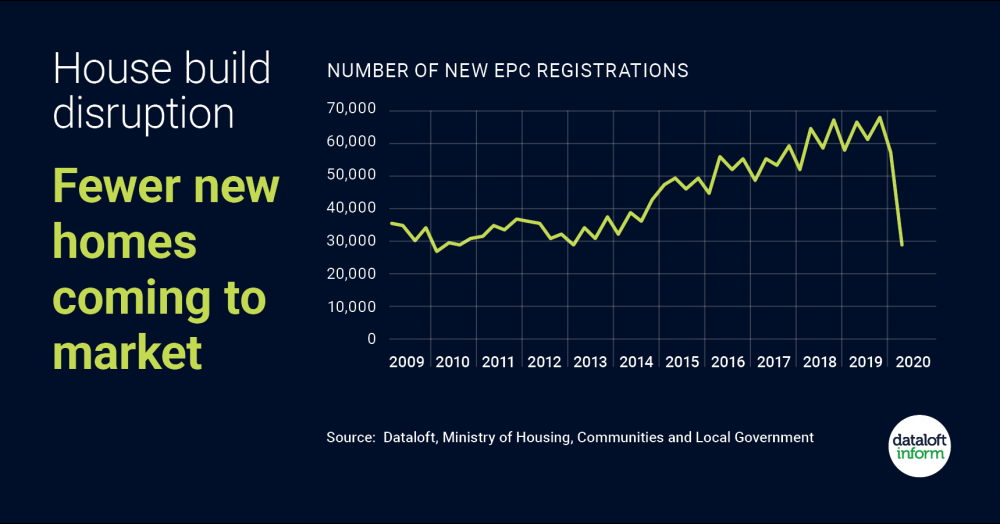
  • A fall in construction between April and June means fewer new builds will be coming to the market in the short term. With Covid-19 disrupting house building, Boris Johnson has made construction a priority.
  • Energy Performance Certificate registrations are a good indicator for net additional dwellings. The latest data shows 37,588 fewer new build registrations in England in Q2 2020 than Q2 2019, a 56% decline.
  • The decline in completions is a result of covid-19 forcing construction sites to temporarily close or reduce staff numbers.
  • The government has vowed to 'use this moment' to build new homes and infrastructure, promising a £5bn new deal and introducing new laws to parliament to support new housing and boost town centres. Source: Dataloft, Ministry of Housing, Communities and Local Government


Get in touch with us

A delightful two-bedroom home with an open front outlook over open greensward, lounge features a cosy open fireplace, a sleek kitchen/diner flowing into an outside garden room, modern bathroom, generous storage, low-maintenance garden and private parking. Warm, stylish and ready to enjoy.

January 2026 showed a market regaining momentum. Across much of the UK, sales agreed are running ahead of two years ago, led by the Midlands and East. Scotland and Wales are also strengthening. London remains mixed, and Northern Ireland softer. This is not a boom, but a steady, broad based rebuild driven by realistic pricing.

This superbly presented 4-bed detached family home in Attleborough offers modern, comfortable living. Including dual-aspect lounge with ornamental fireplace, versatile dining/study, spacious kitchen/breakfast

This map highlights parts of Attleborough where many homes have spare bedrooms sitting unused. Extra space brings comfort and flexibility, but it also carries costs and questions about whether a home still fits its owner’s stage of life. Understanding where space is underused helps spark thoughtful conversations about future housing choices.