
If moving is starting to feel more realistic, September is a useful time to prepare. Understanding your budget, priorities and local property search now could make things much easier when the right home appears.
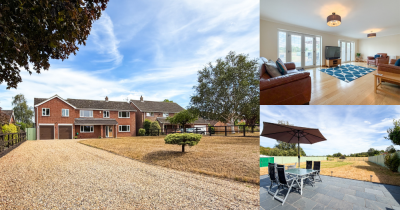
New Guide Price £595,000. Set in a superb rural position, this impressive five-bedroom executive home occupies a generous plot of around a third of an acre. Offering spacious and versatile accommodation, three reception rooms and two en suite shower rooms, providing modern family living.
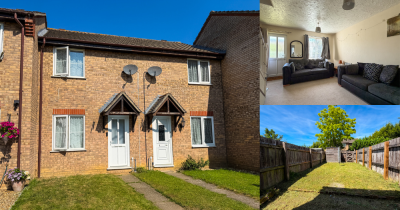
Discover this inviting 2-bedroom mid-terrace house in Attleborough, offered with no onward chain. Perfectly situated within walking distance of Rosecroft Primary School and local bus routes, with 2x allocated car parking spaces and a recently refitted bathroom. An ideal first home or investment.
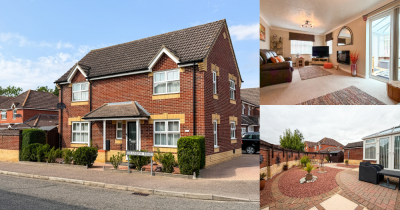
Discover this impressive, superbly presented four-bedroom detached family home, set on a corner plot. Updated and modernised and presented to a high exacting standard of décor throughout, the property offers comfortable living with a conservatory, contemporary kitchen, and a lovely walled garden.
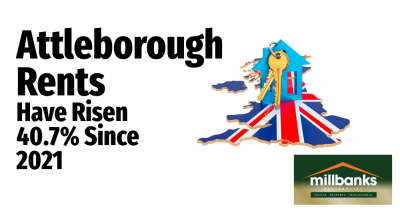
Attleborough’s private rental market has undergone a dramatic transformation, with average rents rising by more than 40% since 2021. But behind the headline figures lies a more nuanced story of limited supply, changing tenant expectations and increasing pressures on landlords. So, where is the market heading, and does buy-to-let still stack up?
Bungalows are enjoying something of a renaissance in Attleborough. Once dismissed as homes for later life, these single-storey properties are attracting downsizers, families and increasingly younger buyers. But is this simply a lifestyle shift, or are the numbers telling us something more significant about Attleborough’s property market?
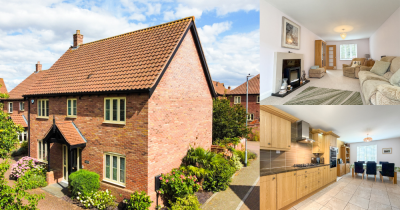
Guide Price £350,000 to £375,000. Discover this superb modern, well-presented 4-bedroom detached family home, built to a high specification by Norfolk Homes. Featuring an en suite, dual aspect lounge, and a fitted kitchen/diner, it offers comfortable living within a convenient location in town.
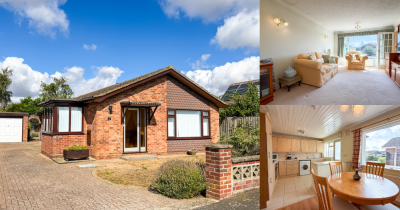
Discover this inviting 3-bedroom detached bungalow with No Onward Chain. Featuring a spacious lounge, kitchen/diner, with a 3-piece bathroom suite and Sep W.C. plus an enclosed rear garden, this home provides comfortable living with convenient access to local amenities. and transport links.
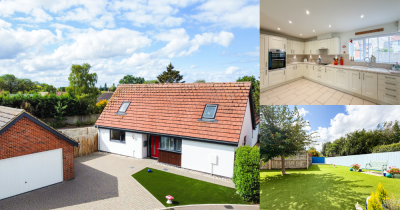
Discover this stylish three-bedroom detached chalet home built by Messrs Abel Homes in 2017, offering modern design, energy efficiency, and generous living. Featuring tall ceilings, a dual-aspect lounge, open-plan kitchen/diner, a ground floor master bedroom suite and low maintenance gardens, this home offers the finest quality in modern living.
The Attleborough property market remains active, but today's buyers have far more homes to choose from than they did just a few years ago. That means pricing and presentation have never been more important. Discover what the latest local Q2 figures reveal and what they mean if you're thinking of moving. Click the link to read more.

Average rents have risen sharply across the UK over the last five years, but the national headlines don't always reflect what's happening locally. This update examines regional rental trends, explains the reasons behind the figures, and highlights why every town, including Attleborough, has its own unique rental market story.

How have Attleborough house prices changed over the past year? By tracking the average price paid on a rolling 12 month basis, we can identify the underlying direction of the local market. This latest update highlights the trend and explains what it could mean for homeowners, landlords and anyone considering their next move.