Premium to Live Near The Top Primary & Secondary Schools

Premium to Live Near The Top Primary & Secondary Schools

In this quick article we take a close look at the difference in prices of living near to the top local schools in the area

  • This week marks the return to school for many children. School catchments play a huge role in choosing a home. Living close to a top school can cost an additional £25,000.
  • Houses within the catchment of the top 10% of primary schools on average cost £27,000 more than those in the wider postcode district, a 7% premium.
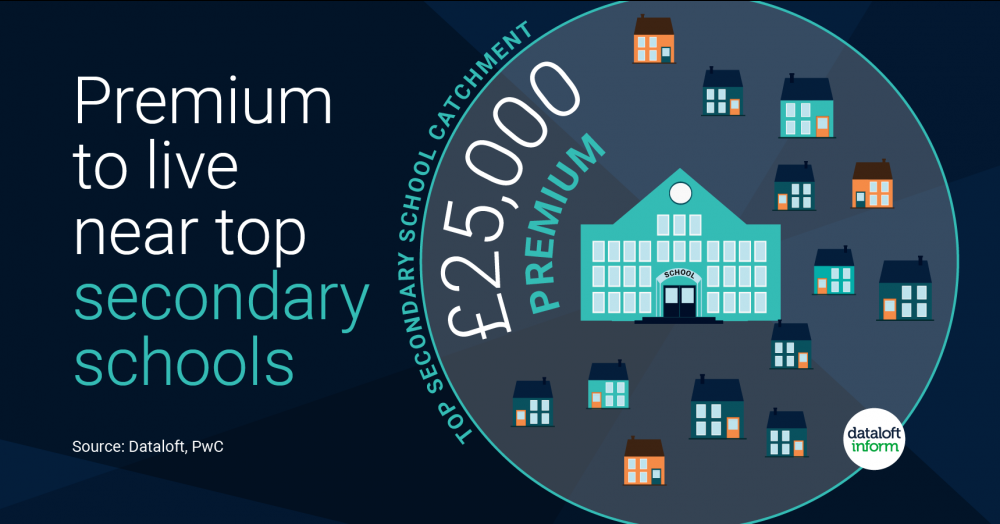
  • Houses within the catchment of the top 10% of secondary schools on average cost £25,000 more than those in the wider postcode district, a 6% premium.
  • Premiums vary between regions, Yorkshire and the Humber has the greatest premium for top primary schools, 12%. The West Midlands has the largest premium for top secondary schools, 19%. Source: Dataloft, PwC


Get in touch with us

If moving is starting to feel more realistic, September is a useful time to prepare. Understanding your budget, priorities and local property search now could make things much easier when the right home appears.

Too many homeowners believe they can start high and reduce later if needed. The reality is very different. New 2026 market data shows that nearly two in three successful sellers achieved their asking price without a reduction. Here's why accurate pricing from day one gives you the best chance of securing a successful move. Click to learn more...

The "Generation Rent" narrative is shifting. New data shows under-35 homeownership jumped from 31% to 42% in a decade, while it actually fell for those aged 35-64. While affordability is still a hurdle, the dream of owning a home is far from dead for the youth. Is "Generation Rent" getting older? We explore the changing property landscape.

Attleborough’s private rental market has undergone a dramatic transformation, with average rents rising by more than 40% since 2021. But behind the headline figures lies a more nuanced story of limited supply, changing tenant expectations and increasing pressures on landlords. So, where is the market heading, and does buy-to-let still stack up?