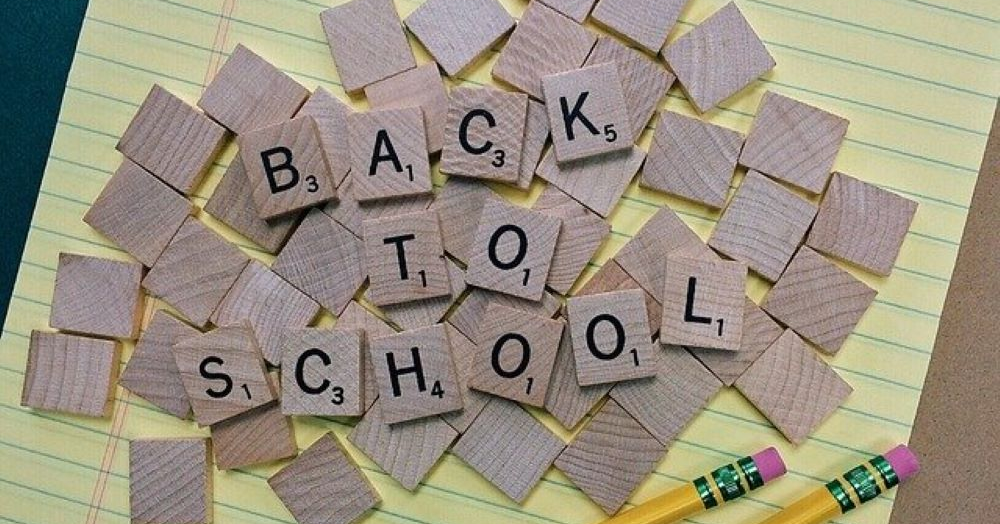
Seven Ideas to Help Schoolchildren on Returning to School
In this three-minute read, we look at seven things you can do to ease the back-to-school nerves children may be facing ahead of the new academic year.
The lockdown and ongoing fallout of the Covid-19 pandemic have been tough for everyone.
But it’s been especially hard for school-aged children.
They’ve gone months without seeing a lot of their friends, have had their routine turned upside down and now face new worries as the schools head back in September.
It’s going to be a challenging time for parents and kids, but these seven ideas from the University of Calgary in Canada can help ease any Covid-19 concerns that going back to school may bring.
1) Be Honest and Open
Don’t gloss over the facts and be truthful about what children can expect when they go to school, which will look and feel very different to life before lockdown. For younger kids, talk to them about changes in their classroom, how some activities will be postponed until things return to normal and make them aware that some familiar people may be wearing unfamiliar face masks. Ask older children if they have any concerns or want to talk about the return to school.
2) Make Them Feel in Control
It’s empowering for children to feel they can control certain things, especially during an uncertain time like this. Emphasise things they can do to fight the spread of the illness like listening to instructions, practising required social distancing and probably the best and easiest one to remember – getting into the habit of washing their hands.
3) Name It to Tame It
According to the University’s report, it helps children to recognise and even name their fears. Speaking about ‘the Worry Monster’ or for older children, labelling their worried feelings as anxiety can help them articulate what’s on their minds. According to child clinicians, naming the fears goes a long way to coping with them.
4) Listen Up
Put down your phone and listen intently if your child comes to you with concerns. By giving them attention, and showing you understand and are with them every step of the way helps reassure them that things will be ok. Children look towards adults for how to behave in certain situations so think about how you are reacting and be kind to yourselves because it’s ok for you to have nerves and worries too.
5) Role-Play
Play is a big part of the way we learn. So, why not try certain role-playing situations which your child has identified as worrying them. By playing out situations and finding solutions to problems in a safe environment, it will help them be better equipped for real-life scenarios.
6) Promote the Positives
Children have missed out on a lot of things because of Covid-19. But now they have some brighter times on the horizon. Ask them what they are most looking forward to? Who or what they have missed the most? And once they’ve returned to school, ask them what the best thing that happened during the day was?
7) Routines Reap Rewards
Of all the tips featured in this article, the authors of the University of Calgary report said that establishing a back-to-school routine is perhaps the most vital. You can build up a sense of calm and control in your children by having routine around meals and setting regular times for going to bed and waking up. Ideally, start this at least a week before the schools return.
At MILLBANKS, we see our role in the community we serve as being about more than helping people move and find homes. That’s why we often publish articles which have nothing to do with estate agency but everything to do with offering help and advice to the people, young and old, of Attleborough and East Harling
Thanks for reading.