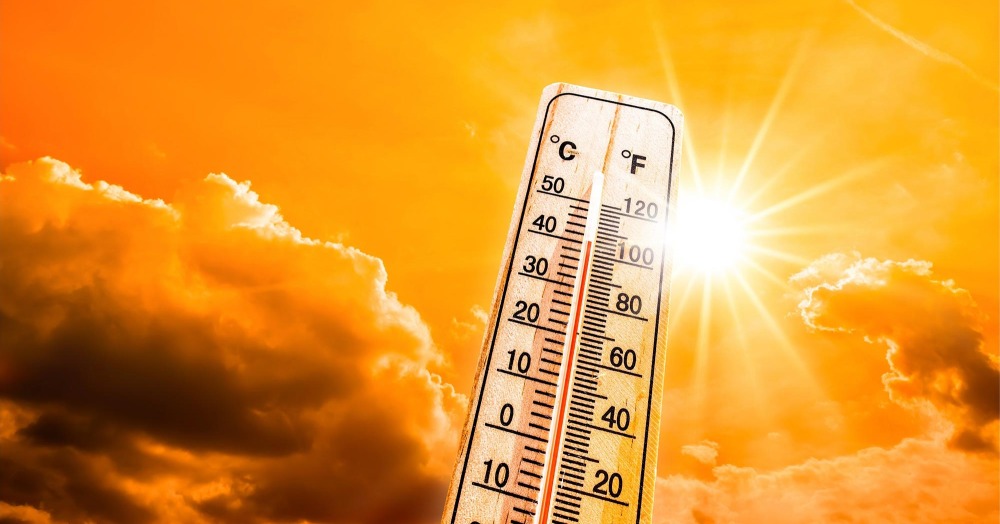
Tips for keeping cool in hot weather
Most of us welcome hot weather, but when it's too hot for too long, there are health risks.
In England, there are on average 2000 heat-related deaths every year. If hot weather hits this summer, make sure it does not harm you or anyone you know. The heat can affect anyone, but some people are at greater risk from it.
For some people - especially older people and those with underlying health conditions, as well as those who can't adapt their behaviour to keep cool or who are exposed to high levels of heat because of where they live or work - the summer heat can bring real health risks. As our climate changes, hot spells are expected to be more frequent and more intense.
Why is a heatwave a problem?
The main health risks posed by a heatwave are:
- Not having enough water (dehydration).
- Overheating, which can make symptoms worse for people who already have problems with their heart or breathing.
- Heat exhaustion and heatstroke, which are potentially serious conditions that can occur if you get too hot.
Tips for coping in hot weather this summer:
The UK Health Security Agency has published a number of resources outlining the risks of heat and actions you can take to protect yourself and others. This includes a 'Beat the Heat: Keep cool at home checklist' which is available on the Heatwave plan for England page.
Watch out for signs of heat-related illness
If you or someone else feels unwell with a high temperature during hot weather or after physical exertion, you should stay alert to the possibility of heat-related illnesses such as heat exhaustion or heatstroke.
Find out more about the signs of heat exhaustion and heatstroke, and when to get help.
The top ways to stay safe when the heat arrives are to:
- Look out for those who may struggle to keep themselves cool and hydrated. Older people, those with underlying conditions and those who live alone are particularly at risk.
- If you live alone, ask a relative or friend to phone to check that you are not having difficulties during periods of extreme heat.
- Stay cool indoors: Close curtains on rooms that face the sun to keep indoor spaces cooler and remember it may be cooler outdoors than indoors.
- If going outdoors, use cool spaces considerately.
- Drink plenty of fluids and avoid excess alcohol.
- Never leave anyone in a closed, parked vehicle, especially infants, young children or animals.
- Try to keep out of the sun between 11am to 3pm, when the UV rays are strongest.
- Walk in the shade, apply sunscreen and wear a wide-brimmed hat, if you have to go out in the heat.
- Avoid physical exertion in the hottest parts of the day.
- Make sure you take water with you, if you are travelling.
- Check the latest weather forecast and temperature warnings – you can find these on TV, radio, mobile app or website.
- During warm weather going for a swim can provide much welcomed relief. If you are going into open water to cool down, take care and follow local safety advice.
If you have concerns about an uncomfortably hot house that's affecting your health or someone else's, get medical advice.
You can also get help from the environmental health office at your local authority. They, or an approved local provider, can inspect a home for hazards to health, including excess heat. Find your local authority here.
In addition, Age UK offers a range of free information and advice designed to help older people live well during the summer months and protect themselves when the temperature rises. For more information visit Age UK's website, who help people with information and advice on a broad range of issues such as claiming benefits, exploring housing options, paying for care and support, staying healthy, and making the most of the Internet.
Source: The Met Office