Top things that you should know if you have an empty property over winter
As the temperature drops and we reach the coldest days of winter in the UK, many of us get tucked up warm and cosy. Hats and gloves and a thick winter coat. The heating is on, and blankets are draped over the arms of chairs and sofas, ready to pull across ourselves in the evening as we sit and watch TV.
But, if you have an empty property this winter, you likely won't want to be paying to heat it. With the cost of living crisis and gas prices going through the roof, you don't want to waste money paying to heat a property when no one is living there to benefit from it.
Empty properties can start to feel unloved very quickly. Chill and damp in the air that smells stale and musty. Cobwebs and dust gather in corners, and junk mail piles up behind the front door.
Not only do empty properties feel cold and unloved, but they can also encourage anti-social behaviour and maintenance issues can get much worse faster than if the property was occupied. And if there are maintenance problems, leaks or anti-social behaviour, the repercussions to you as the owner can be costly and time-consuming.
So, what should you do to ensure your property is safe whilst it is empty through the winter months?
-Heating on/drain down
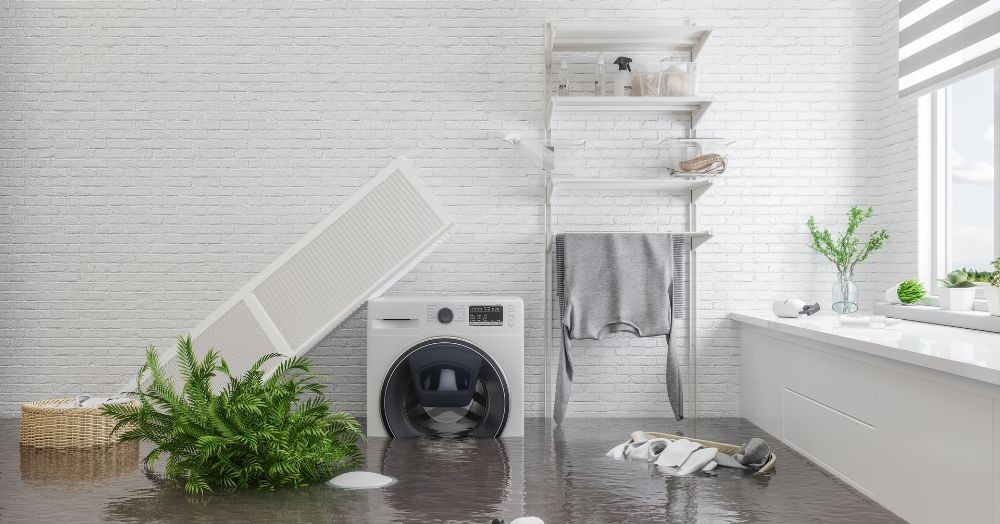
A leak is one of the most devastating things that can happen when a property is unoccupied during winter. A burst pipe occurs when the water in the pipework freezes, and as it expands, it causes a hole to form in the pipe. As that water begins to thaw, it comes through the hole created and leaks into the property. If the leaking pipe is connected to the incoming mains water, it will constantly pour through the hole until the water to the property is turned off.
The best thing to do is to drain the system entirely so that there is no water left on in the property and turn the water to the property off. If there is no water in the pipework, it can't freeze! This will mean that there is no heat in the property at all, and so it will become very cold and could create dampness if left for too long.
-Give the impression that someone is home.
To deter anti-social behaviour, set a lamp on a timer so that it comes on when it is dark. Of course, this is not a failsafe solution, but it acts as a deterrent and will put off most anti-social behaviour.
-Security.
If the property has an alarm system, make sure that you set it. If there is CCTV or a recording doorbell, use these too. They will keep the property safe whilst it is empty.
-Check the locks.
Ensure you have locked all doors, gates, sheds and garages. It sounds obvious, but it's easy to feel complacent and forget when the property is unoccupied. Just because there are no belongings in the property doesn't mean you don't have to secure it.
Empty properties can attract unwanted attention, but also they can deteriorate very quickly. Without heating and the ventilation that comes from daily living in a property, properties can quickly show dilapidations and signs of deterioration.
The recommendation is to check the property in person at least once a week, flushing toilets and running taps at each visit if you keep the water system filled. Of course, if this is the case, you must leave the heating turned on to prevent the pipes from freezing up.
If you have a property but are unsure what to do with it, get in touch with our property experts for advice.