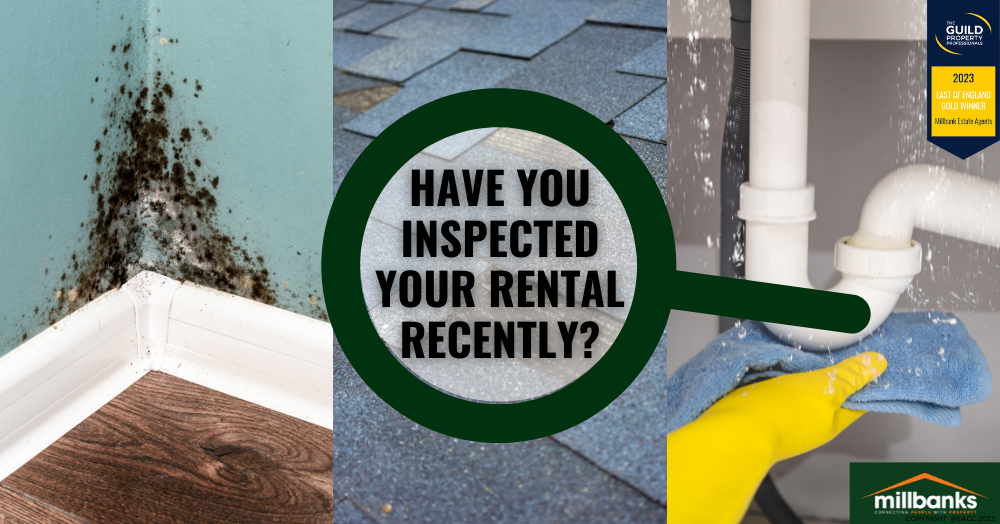
Why Property Inspections Could Save You Money
As a landlord, you’ve probably experienced that feeling of dread when your tenant’s name flashes up on your phone, reporting a problem.
Or how about the horror of receiving the news that you’re going to have to pay for urgent (and expensive) repairs?
If either of these situations sound familiar, it could mean you’re not inspecting your rentals enough.
Being a landlord isn’t just about buying a property and raking in the rent. It’s a difficult job that requires attention to detail, making sure you’re meeting legal obligations, and ensuring your tenants are enjoying a safe living environment. Regular inspections make all of that possible.
In this quick read, we look at why property inspections could save you money and time in the long run.
What’s the point of an inspection?
An inspection gives you the chance to ensure a property is being adequately looked after, that everything works as it should and that it’s clean.
While inspections might sometimes feel like a bit of a chore, they benefit landlords and tenants and help to ensure both parties are upholding their obligations.
Are check-in and check-out inspections enough?
The short answer is no – they are the bare minimum. Failing to inspect your property for the duration of a tenancy could mean that a small issue becomes much more serious (and costly to fix) because it has been ignored for so long.
With newer tenancies, it’s important to set a precedent so tenants know that you care about the property and expect them to look after it. If a tenant has been in a property for a while, you might not need to inspect as often, but not doing them at all could leave you at risk of unhappy tenants or a damaged property.
How often should you inspect a rental?
There are no hard and fast rules about how regularly you should inspect, although once every four to six months is a realistic timeframe. (You don’t want to go round too often as this could alienate the tenant.)
If you have landlord insurance, your policy may stipulate how often a property should be inspected, and not doing so could invalidate it.
Be respectful
When it comes to arranging an inspection, it’s best if both parties work together to find a time that is suitable.
By law, a landlord must give at least 24 hours’ notice, but as the tenant may want to be present, it’s good to give more warning than this.
Inspections might feel awkward or uncomfortable, but they can save a lot of money and hassle, and help foster trust between a landlord and tenant, so it’s important not to avoid doing them.
If you’re a landlord and struggle to fit inspections into your busy schedule, consider getting a letting agent to manage the property. They’ll carry out inspections as part of their property management service and have systems in place to ensure all the relevant safety checks are conducted.
If you’re a landlord and need a new agent, our team at Millbanks are experienced and ready to help. Contact us today.