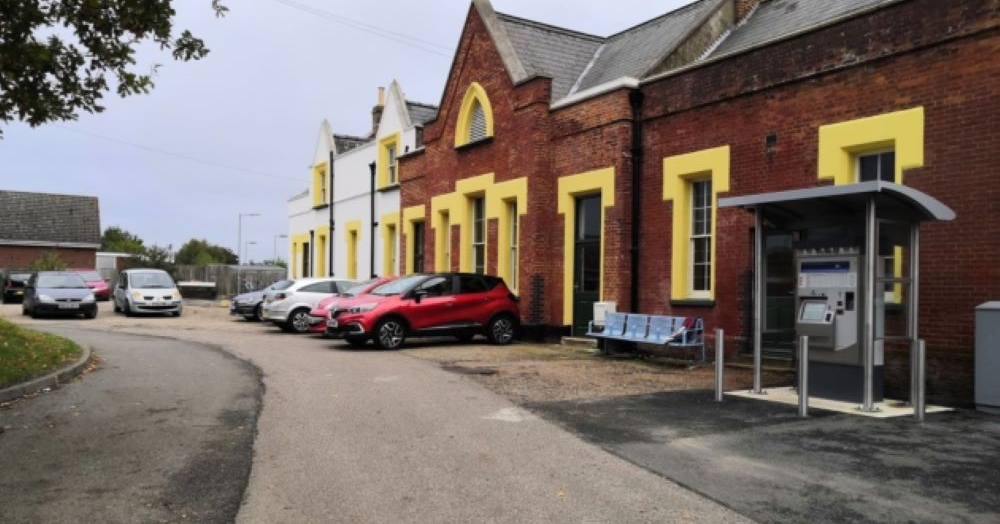
Work to double parking spaces at train station gets under way

Work to double parking spaces at train station gets under way

Greater Anglia is doubling the existing number of spaces at Attleborough railway station, as well as creating designated areas for motorcycles and bicycles.

In all there will be 86 car parking spaces - five of which will be accessible - alongside five motorbike spaces and 20 bike spaces.
Provision for electric car charging, CCTV and new LED lighting is also being installed as part of the work, which is scheduled to be finished by the end of the year.
Having fallen into disrepair, the station house itself was restored last year courtesy of a £177,000 investment from the rail operator and a £110,000 grant from the Railway Heritage Trust.
The building had previously been used as a veterinary practice, but was eventually deemed unsafe due to roof leaks that threatened to bring down the ceilings and, in 2013, had to be closed.


Get in touch with us

We are looking to recruit an ambitious Residential Property Sales & Marketing Agent to join our fantastic team in Attleborough — someone who’s pro-active, full of energy, loves learning, and isn’t afraid to pick up the phone, meet clients, and make things happen! If you think this maybe you, then get in touch...

As the year closes and the market slows for the festive holidays, this article steps back to examine the total value of every home in Attleborough and how it has changed since 2010. Despite economic swings and uncertainty, the message is clear: Attleborough’s housing wealth has grown strongly, reshaping fortunes for homeowners and homebuyers alike.

There are 243 homes across the UK named “Christmas Cottage”, each adding a festive note to the property map. From a £1.37m sale in Buckinghamshire to values sitting above the national average, these homes show that even a name can carry a seasonal premium and a story of its own.

The semi-detached home remains Britain’s most loved housing type, shaping family life for generations. This article explores how the value of semis varies widely across the UK, from London’s seven-figure prices to far more attainable regions, and why their emotional pull remains as strong as ever.