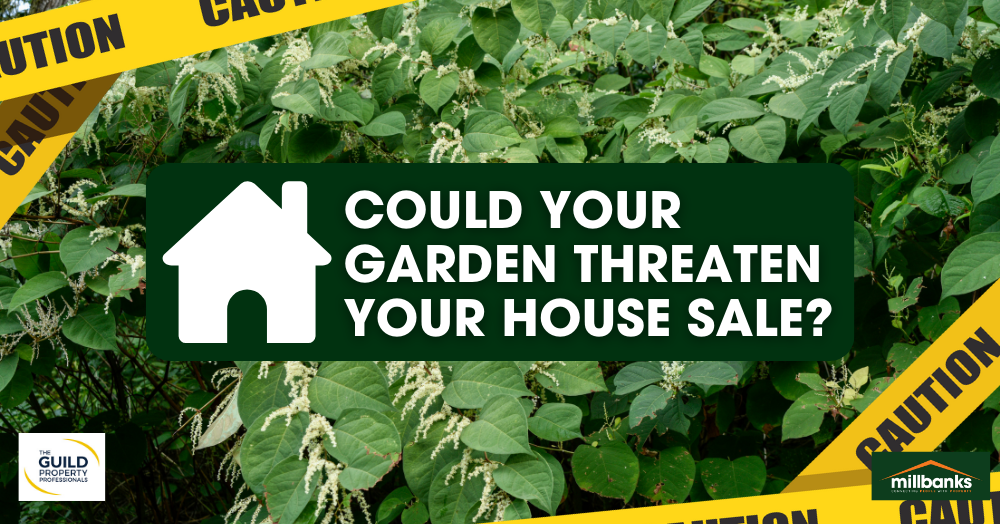
Could Your Attleborough Garden Threaten Your House Sale?
Post pandemic, having outside space has taken on a whole new level of importance and can add significant value to a property. But what happens when your garden oasis threatens the chance of selling your home?
Some lush green plants might look nice but could signal trouble for a house sale.
In this quick read, we look at the plants that may impact your selling price.
1. Japanese Knotweed
The number one culprit for knocking value off homes is Japanese Knotweed, which can grow up to 10cm in a day and is illegal to plant. The powerful root system can weaken the foundations of a property, damage drainage systems and uproot paving slabs. It’s been labelled an ‘invasive’ plant and can knock as much as 15% off house prices because of the utter chaos it can cause.
In the past, properties with Japanese Knotweed have struggled to get mortgages, and buyers often require a special survey to assess potential for damage. You’ll need a specialist to remove it.
2. Giant Hogweed
Although this plant is quite attractive, it can cause serious skin irritation and requires expert removal. Bizarrely, it’s part of the carrot family but is so dangerous it can cause burns to the skin. Once removed, it’s classed as controlled waste and needs to go to landfill.
Understandably, gardens with Giant Hogweed will also affect how much your property sells for and ethically, you should let potential buyers know if you’ve spotted it in your garden.
3. Bamboo
Just like Japanese Knotweed, bamboo plants can grow incredibly quickly and wreak havoc on a property’s foundations and brickwork. Whilst not illegal to plant, the roots can spread to neighbouring properties, and if it starts causing damage, you could be liable for costs. Whilst it may not affect your house price, it could cause future problems for buyers depending on the type of bamboo and its root system.
4. Large Trees (Oak, Poplar and Willow)
If you’ve got one in your back garden or close to your home, be warned it could impact your house price. Roots of large trees can spread out up to 40m, wriggling their way under building structures and paving stones, and causing general damage. It’s best to consult an expert tree surgeon if you’ve got a large tree in your back garden or speak to the Local Authority if you have one out front.
Other plants that could hamper your house sale include:
- Ivy: whilst nice to look at, it can get into cracks, lift roof tiles and damage pipework.
- Himalayan Balsam: don’t be fooled by the beautiful purple flowers; this is illegal to plant. It grows so fast it can quickly kill off other plants and cause a nuisance.
- Leylandii trees: typically grown as a hedge, apart from annoying neighbours and blocking light, the fast-spreading roots can cause damage.
When selling a property, people always tend to deal with interior issues before going to market. But it’s a good idea to also assess the front and back gardens for any concerns that could arise. That way, you won’t be caught off guard as a potential sale progresses.
If you’re looking to sell your home, contact us at Millbanks today.