First-time buyer mortgages

First-time buyer mortgages

In this short article we take a quick look at First Time Buyers Mortgages

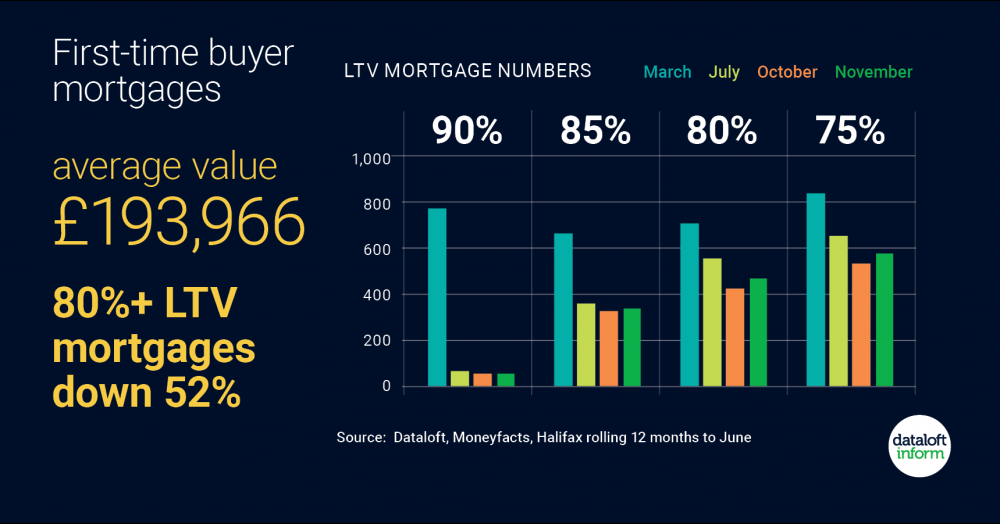
  • The average mortgage for a first-time buyer across the UK is just shy of £194,000, as FTB numbers fell 29% in the first half of 2020 versus 2019.
  • The average deposit for a FTB is now £47,059, purchasers requiring a mortgage at 80% LTV. There are 52% fewer 80%+ LTV products available on the market now than in March, 12% fewer than in July.
  • FTBs accounted for over half of all house purchase loans in 2019, but these purchasers have been more significantly affected by the impact of COVID-19.
  • FTBs will be helped in future by continuation of the government's Help-to-Buy scheme until March 2023 and the introduction of government backed 95% LTV mortgages. Source: Dataloft, Moneyfacts, Halifax
  • If you are are First Time Buyer then why not give us a call and we can see if our Independent Mortgage Broker can save you some money, please click or tap here to e-mail us your enquiry


Get in touch with us

Private renting has grown across every UK region over the last 40 years, but the scale and pace are often misunderstood. This graphic shows how uneven that growth has been, shaped largely by the decline in social housing. Understanding this shift helps explain today’s housing balance and the choices ahead.

A magnificent Grade II listed semi-detached residence in the heart of Dereham, exquisitely restored to combine period elegance with modern comfort. Featuring four double bedrooms, a bespoke kitchen, historic cellar, and picturesque views of St Nicholas Church, this remarkable home radiates heritage, luxury, and timeless sophistication.

We are looking to recruit an ambitious Residential Property Sales & Marketing Agent to join our fantastic team in Attleborough — someone who’s pro-active, full of energy, loves learning, and isn’t afraid to pick up the phone, meet clients, and make things happen! If you think this maybe you, then get in touch...

Rents have surged unevenly in recent years, revealing a striking divide shaped by shifting incomes and tenant affordability. While some areas have seen rapid momentum, others have moved more steadily, exposing a complex landscape that reflects economic pressures and evolving demand in communities.