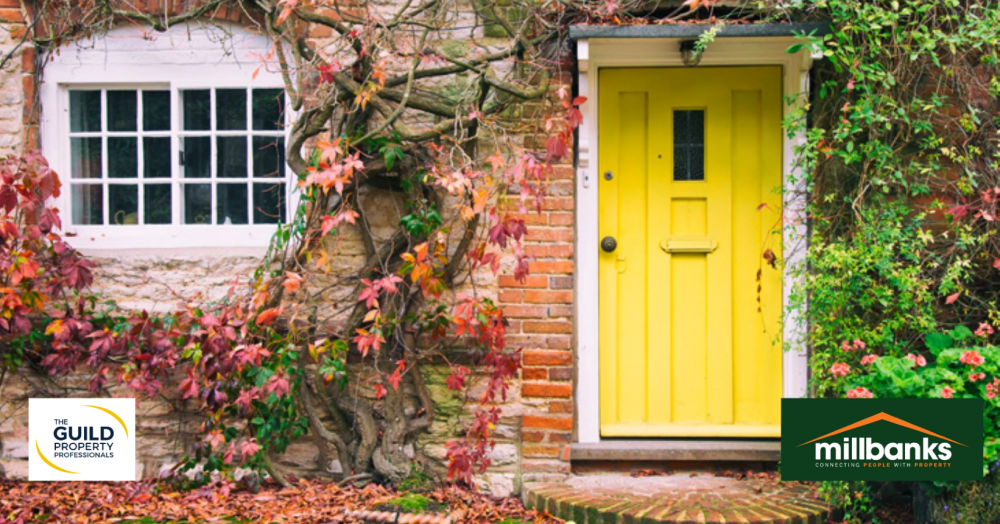
How a Front Door Transforms Your Home
Homeowners looking to carry out improvements to their property can look to these reasons why a new front makes a huge impact on a home’s kerb appeal
When it comes to a property’s exterior, a new front door can instantly transform the face of the home, smartening up the appearance as well as providing a number of practical benefits.
From the style and colour, to the enhanced security and insulation features, the home improvement experts at Stormclad have highlighted four ways a new front door can transform your property.
John Evans, managing director of Stormclad, said “Switching out your old front door for a brand-new one has so many advantages. Not only is it an improvement to the aesthetics of your home, but it will also make your property a safer place to live by providing a stronger barrier against opportunists looking for an easy target. If you are considering placing your property on the market in the near future, changing the front door is an easy way to give your home an attractive lift – it will create a great first impression to potential buyers. With so many options out there, finding the right front door for your home can be a difficult decision – we have compiled a list of reasons why a new front door can transform your home, so whether you prioritise security, energy performance or visual appeal, you can be well-equipped to make the right choice.”
Home security
Feeling safe in your home is crucial to living a happy and comfortable lifestyle and the first port of call is your front door. Older doors are weaker and can be an easy target for thieves, giving them an easy access into your home and to your belongings. By replacing your door, you can rest assured that you are protected with the newest technology that meets the latest security standards, keeping the risk of burglary at bay.
Kerb appeal
Kerb appeal is how desirable your home looks from the outside, and first impressions count! It has been reported that 69% of potential buyers would not consider viewing your home for a second time if the kerb appeal is poor.
Swapping your old door for new one is a quick and cost-effective way to give the front of your home a lift. With endless colour and style options, a new front door gives you the freedom to make a lasting impression on passers-by, guests and potential buyers.
Energy efficient
By replacing your worn-out front door, you can save money on your heating bills. New doors are equipped with better insulation features, keeping your home warm during the winter and cool during the summer. Not only is this a more comfortable way to live, but it can help you save on your heating bills and even cut down on external noise pollution too.
Welcoming for your guests
Your front door is the first thing your guests will see and so you want to make it count. A new door can be an inviting home improvement on your house and now that lockdown restrictions are easing even more, a new front door will greet your guests for those long-awaited dinner parties and social gatherings.
SOURCE: Property Wire