
The latest Week 30 figures reveal what is really happening across the East Anglian property market. Looking beyond the national headlines, this update explores buyer demand, pricing, new listings and selling times, providing valuable regional insight for anyone considering a move in Attleborough, Breckland or South Norfolk.
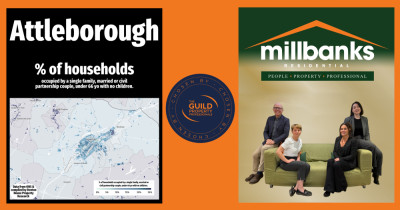
One of the biggest influences on Attleborough's future property market may not be first-time buyers or growing families, but child free couples. As their lifestyles and housing needs evolve, this often overlooked group could play a significant role in shaping future demand, supply and local moving patterns.
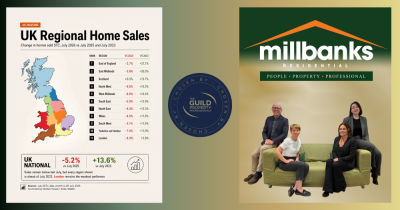
National headlines can paint a confusing picture of the property market, but the latest July figures reveal a more balanced story. While sales have eased compared with last year, activity remains well ahead of 2023. So what does this mean for Attleborough homeowners thinking of moving in today's more selective market?
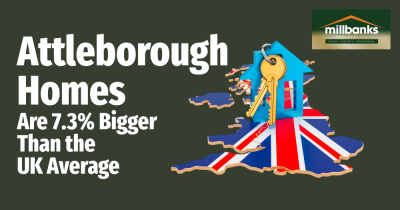
When comparing homes, price often grabs the headlines, yet space can be just as important. New floor area data reveals that the average home in Attleborough is 7.3% larger than the UK average. But the picture changes dramatically when you compare detached, semi-detached, terraced homes and flats across the local market.
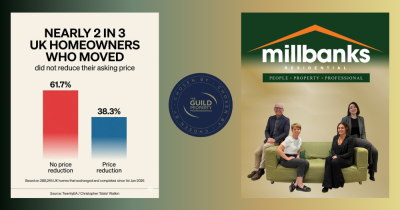
Too many homeowners believe they can start high and reduce later if needed. The reality is very different. New 2026 market data shows that nearly two in three successful sellers achieved their asking price without a reduction. Here's why accurate pricing from day one gives you the best chance of securing a successful move. Click to learn more...

Selling a home in today’s market requires experience, insight and a clear strategy. Between January and July 2026, Millbanks has successfully helped numerous homeowners and buyers across NR17, NR16 and NR9 achieve their objectives. In this article, we share our latest results, the approach behind them, and why our service continues to deliver.

The UK ranks 29th in Europe for homeownership at 65%, trailing far behind Eastern Europe’s 85%+. Despite rising deposits and affordability hurdles, the British dream of owning a home remains a powerful symbol of security. We explore why homeownership is changing and why the desire to own is still as strong as ever.
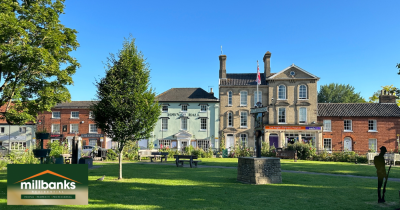
Every home has a story, from first steps to retirement dreams. Property isn't just bricks and mortar; it’s about people, timing, and local confidence. Whether you’re upsizing, downsizing, or just keeping watch, understanding our unique market is key. We look beyond the data to see what’s really happening in our local community.
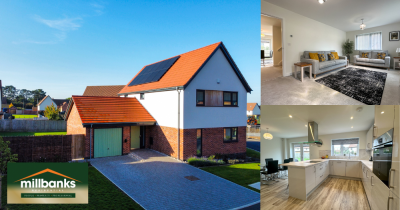
Considering a move to East Harling? Join us for an in-depth exploration of 22 Mount Pleasant Drive, a charming modern three-bedroom detached house that could be your perfect next chapter. Let's uncover what makes this property a compelling choice for buyers.
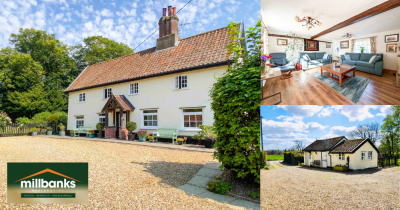
Check Out This Video - A Grade II Listed Cottage with a Detached 1 Bed Cottage/Annexe on 1 Acre Plot
Discover this exceptional 5-bedroom Grade II Listed detached character cottage in Norfolk, set on approximately one acre. Featuring a main house with 4 bedrooms, 2 reception rooms, and a stylish kitchen, plus a self-contained 1-bedroom cottage/annexe, extensive gardens, and a gated driveway.

Britain is a nation of suburbs, with nearly 60% of us choosing family estates and cul-de-sacs over city centres. In Attleborough, this demand for gardens, community, and connectivity powers our local market. If you want to know what buyers are really looking for or how your home fits in, click the article link to learn more..
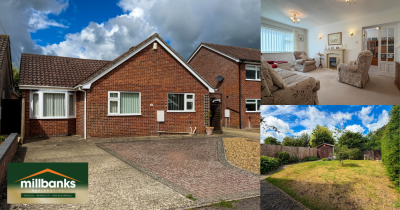
Discover this super detached 3-bedroom bungalow being offered with no onward chain. Featuring two separate reception rooms, a fitted kitchen, conservatory, modern shower room, and an enclosed west-facing garden, it offers comfortable living with off road car parking at the front of the property