How to prevent five of the most common heating problems this winter
Over the last 2 weeks we have been giving out various tips and advice on how to best prepare and avoid heating problems this winter, today we share 5 of the most common heating problems that people could experience this winter with ways to prevent.
The majority of British households have the heating turned on constantly as we enter autumn and winter, and after months without it being in use, challenges can arise.
With national radiator day (yep, that's a real thing!) having taken place on 1st November, Andrew Collinge, heating product manager of leading online heating supplier BestHeating has revealed five common problems to expect, explaining what to do if your heating stops working and providing tips on how to prevent issues from arising.
Broken boiler
With nearly half of boiler problems occurring during winter, some minor problems you can fix yourself, including low pressure, which might just require a reset. If you need to call an engineer, a broken boiler could cost hundreds to fix and if it needs replacing it, is likely you will have to pay between £600 and £2,500 depending on the size and model.
Andrew explains: “It is important to service your boiler as not only does it ensure it’s running efficiently and safely, but they generally have a warranty of around 10 years which isn’t valid without regular service. A heating engineer can service your boiler within an hour, but be prepared this may leave you without hot water until they are finished.”
Damaged pipes
"As temperatures lower in winter, pipes might freeze, which in turn could burst pipework, potentially leading to flooding or expensive damage to your home. Andrew says “If you suspect problems with pipes you should turn off the water at the valve, keep taps on to relieve pressure whilst any ice melts and also use a hairdryer or a heat gun to thaw frozen pipework.”
Temporarily mend a pipe by binding it tightly with a cloth or heavy-duty tape but if you need repairs make sure to contact a qualified plumber.
Andrew adds: “You can also protect your pipes by wrapping them in foam tubes to limit any potential damage this winter.”
Thermostat issues
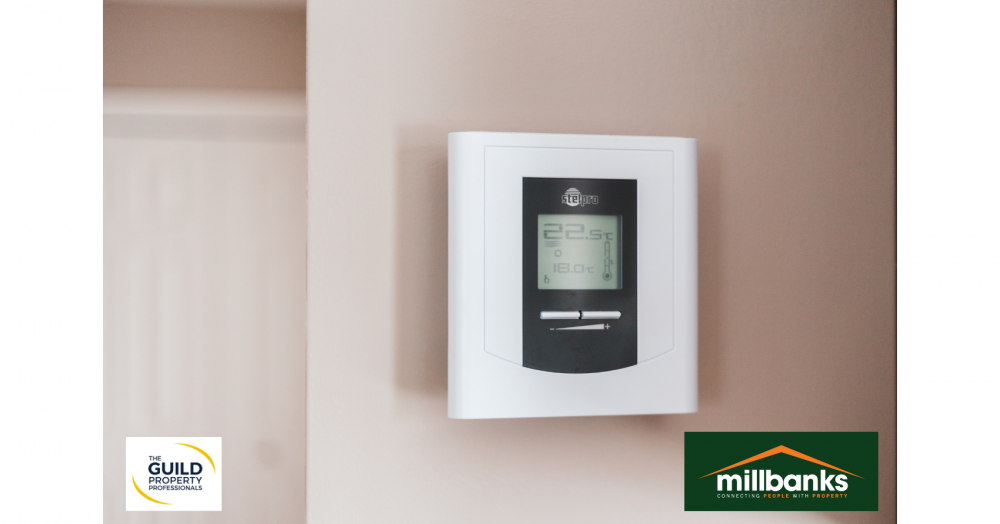
The thermostat is a hot topic during winter, with families battling to change the temperature to how they like it. If a thermostat stops working correctly, it is likely because of the batteries dying, the wiring is faulty, or it needs recalibrating. Try changing the temperature up or down by five degrees to be sure it’s broken.
Batteries can be changed easily but wiring or calibration issues will require a professional to be called. If they cannot fix the thermostat and it needs replacing, it will cost between £100 and £400 to buy and install a new one, with SMART thermostats costing more. Just like with a boiler, it is best to have a thermostat serviced yearly, especially if it is older.
Cracked walls
Cracked walls and gaps in your home happen over time, but luckily, they are one of the easiest fixes to do yourself. The issue will be found if your home feels cold despite the heating working properly. To fix this, check for potential cracks near windows, doors, and areas which aren’t insulated such as the loft, cellar and garages. Sealant is effective for blocking wall cracks, sealant strips are good for windows and draught excluders help around doors.
Andrew points out: “To further save money, install cavity wall insulation as this will save up to £275 a year depending on your house type.”
Carbon monoxide leaks
Carbon monoxide is a colourless, odourless, poisonous gas, which you can’t see, smell, hear or taste. It is produced by the incomplete burning of carbon-based fuels and can be caused by cookers, boilers, blocked flues and chimneys.
Installing a carbon monoxide detector in your home will help prevent problems but if it catches a hint of carbon monoxide, call a professional immediately as they will know how to find leaks and repair the issue, potentially saving your life in the process.
Andrew concludes: “When the weather turns colder it can spark worry of what could go wrong with heating systems and puts pressure on energy bills.
“You can’t be in charge of the weather but you are in charge of heating your home and making sure it is protected against losing heat. We advise heating smarter and believe it is better to spend money on servicing items in the home that will benefit us in the long term, to avoid being left in the cold whilst on a waiting list for a professional to fix the issue.”
SOURCE: Property Reporter