Making sense of the Census

Making sense of the Census

In this short article we take quick look ahead to this Sunday's Census Day 21st March

  • Sunday 21st March, Census day in England and Wales. By law all households must complete their form.
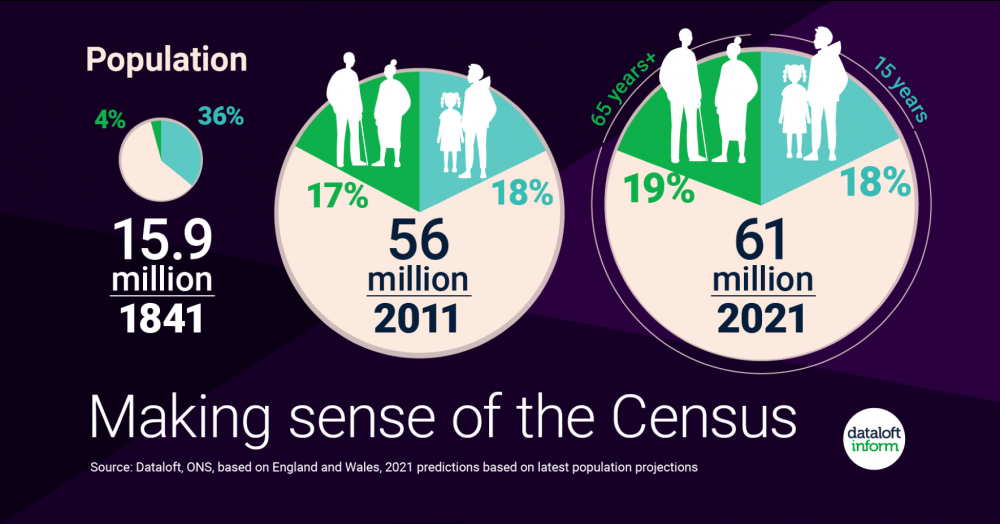
  • The census has taken place every 10 years since 1801, except in 1941 (WWII). The first census based on households took place in 1841. The population has changed dramatically since then and in 2011 over 26.4 million households were included.
  • No results are likely until the end of 2022, however the impact of the COVID-19 pandemic on working patterns and household composition will ensure the 2021 census provides a unique snapshot of history in the future.
  • Source: Dataloft, ONS, based on England and Wales, 2021 predictions based on latest population projections


Get in touch with us

This map highlights how uneven UK house price growth has been over the last decade. While some regions have surged ahead, others have seen far more modest gains. It’s a clear reminder that national averages hide wide regional differences, and that property performance is always shaped by local markets rather than headlines.

This map highlights parts of Attleborough where many homes have spare bedrooms sitting unused. Extra space brings comfort and flexibility, but it also carries costs and questions about whether a home still fits its owner’s stage of life. Understanding where space is underused helps spark thoughtful conversations about future housing choices.

Recent data shows homes are taking longer to sell than 18 months ago, with only around half achieving a sale. Realistic pricing from day one is crucial to attract interest, maintain momentum, and avoid delays or reductions, ensuring a smoother, more successful sale in today’s market.

This map highlights the average size of homes sold across the UK since 2020, measured in square feet from completed sales. What stands out is how little the averages vary between regions, despite very different housing types. Northern Ireland is the clear exception, with noticeably larger homes on average.