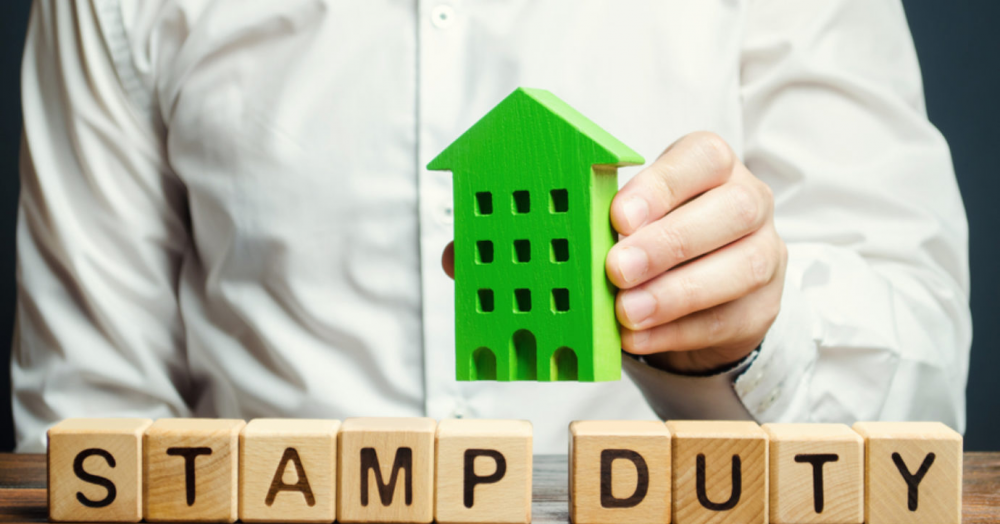
'Zero likelihood' tax rise for overseas buyers will be scrapped

'Zero likelihood' tax rise for overseas buyers will be scrapped

A tax expert says that there is 'zero likelihood' of the government changing its mind on stamp duty changes for overseas buyers coming into force next year.

From April 1 2021, overseas purchasers will have to pay a 2% surcharge on residential transactions in a bid to level the playing field between domestic and foreign buyers.
There has been speculation that due to the twin uncertainties of Brexit and the Covid-19 pandemic, the government could change its mind about introducing the additional tax.
However, speaking to Knight Frank, Sean Randall, partner at Blick Rothenberg and chair of the Stamp Taxes Practitioners Group, which has been consulting with the government in recent weeks on the overseas surcharge, says any change from the government is at this stage unlikely.
To continue reading this article, please click here
Source: Estate Agent Today


Get in touch with us

This map highlights the average size of homes sold across the UK since 2020, measured in square feet from completed sales. What stands out is how little the averages vary between regions, despite very different housing types. Northern Ireland is the clear exception, with noticeably larger homes on average.

In Attleborough, the blend of property types mirrors the town’s character—from flats to semi detached homes and spacious detached homes. This mix, shaped by local history and planning, reveals not just housing trends but the lifestyle choices of the people who call Attleborough home.

Discover this detached 3-bedroom bungalow in a desirable non-estate location, offering spacious living, a dual-aspect lounge, fitted kitchen, three well-proportioned bedrooms, an 80ft rear garden with a workshop, garage with studio, and versatile spaces throughout. With no onward chain, it presents a perfect opportunity to create your dream home.

Thinking of selling soon? Setting the right asking price can make or break your move. Here’s why overvaluing your home, even with the best intentions, can actually reduce its true market value and slow your sale.